 Pinoy Gaming Network Where Pinoy Gamers Unite!


TL;DR: Jero Vidal is a Filipino indie game developer who works full-time in IT and runs his one-man studio, Meercraft, on the side. He taught himself Unity on Udemy, shipped his first Steam game, the Christmas mystery The House, in about seven months, and is now recreating Manila’s LRT-2 for his next one. We talked to him about Baybayin puzzles, AI shortcuts, and what Pinoy indie devs need most.
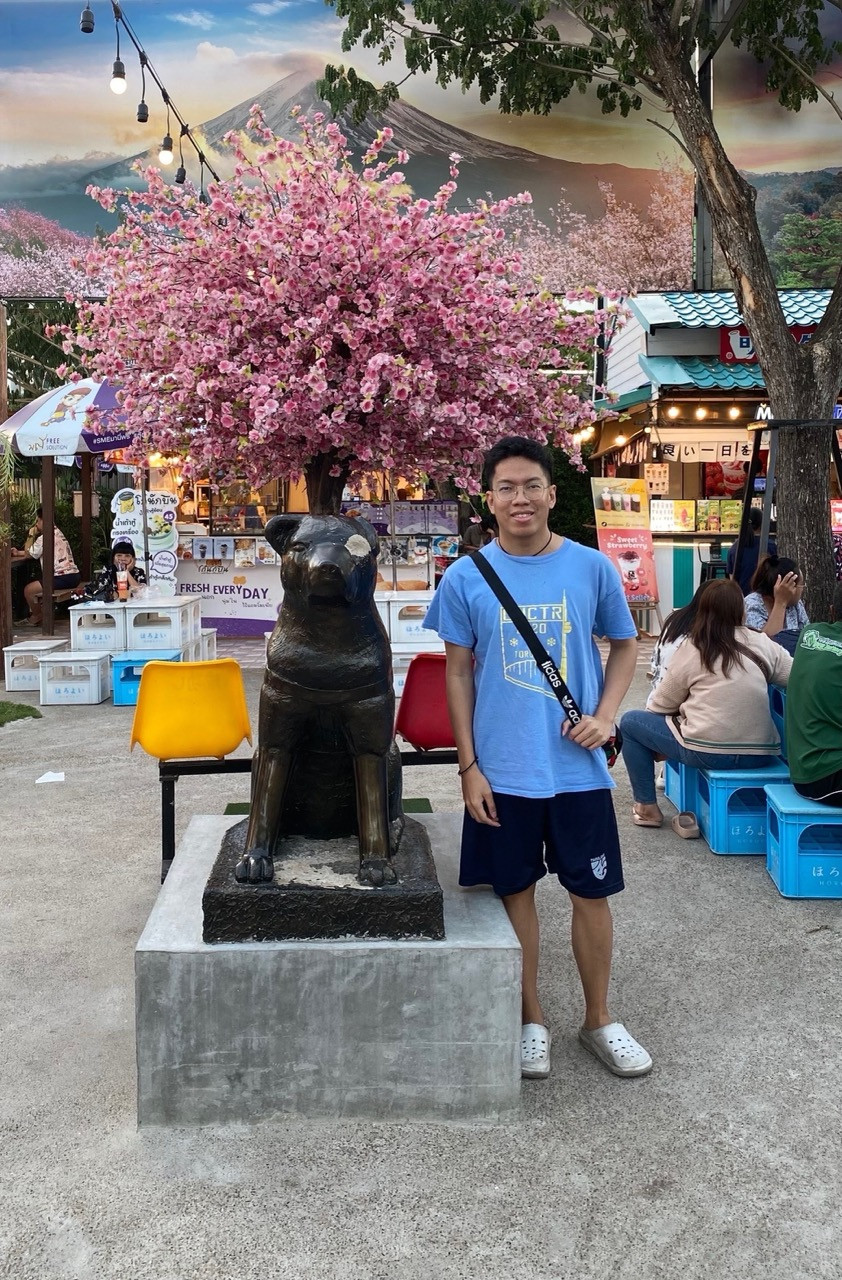
Last week we covered The House, a Filipino-made Christmas mystery that landed on Steam on October 15. You guys showed up for that story, and honestly, so did we. A Pinoy dev putting a jeepney and Baybayin into a first-person mystery? Kailangan naming makilala ‘to.
So we reached out. Jero answered all 17 of our questions, sent behind-the-scenes shots from his Unity project, and even shared a few hints for players who get stuck. Here’s his story.
The day job and the night job
Jero isn’t a full-time game developer. He’s a customer success engineer for an IT company in Manila, and game dev happens in his spare time. Sound familiar? Marami sa atin ganyan din ang setup: trabaho sa umaga, passion project sa gabi.
He grew up playing games and always had a thing for 3D animation and storytelling. Eventually he asked himself a simple question: why not bring his own ideas to life through a game? He never studied game development formally. He took Udemy courses on Unity and C#, then learned the rest by experimenting and, in his words, making a lot of mistakes.
The studio name has a cute origin, too. Jero has always loved meerkats, so he combined “meer” with “craft,” for building and creating things. Meercraft. Simple, pero tumatak.
The House: Christmas, but make it creepy
The House is Jero’s first officially released Steam game. You play as a young woman from Hua Hin, Thailand, who moves abroad for a fresh start. As Christmas approaches, she ends up in an unfamiliar house where unexplained things keep happening.
Why Christmas? Jero loves the cozy feel of the season, and he wanted to give that warmth a darker twist. That contrast between festive and unsettling is the whole mood of the game. For a country that starts Christmas in September, sakto talaga.
The Thai protagonist was a personal choice. Jero spent a long time in Hua Hin, and it has always been a special place for him. He also wanted the story told through the eyes of someone figuring out an unfamiliar country. Fittingly, the Steam page lists full Thai audio, plus English interface and subtitles.
Jeepneys and Baybayin, on purpose
As a Filipino developer, Jero wanted our culture inside the game. The jeepney is there because it’s such an iconic part of everyday Pinoy life.
Baybayin goes deeper. It’s part of one of the puzzles, because Jero loves designing puzzles that make you study your surroundings. He even added Baybayin as a subtitle option. A horror-mystery with our pre-colonial script on screen? Ibang level ‘yan.
Beyond the main story, there’s a separate Tiled Void mini-game and an Anomaly Mode, where you watch the house and spot strange changes.
Seven months, one developer
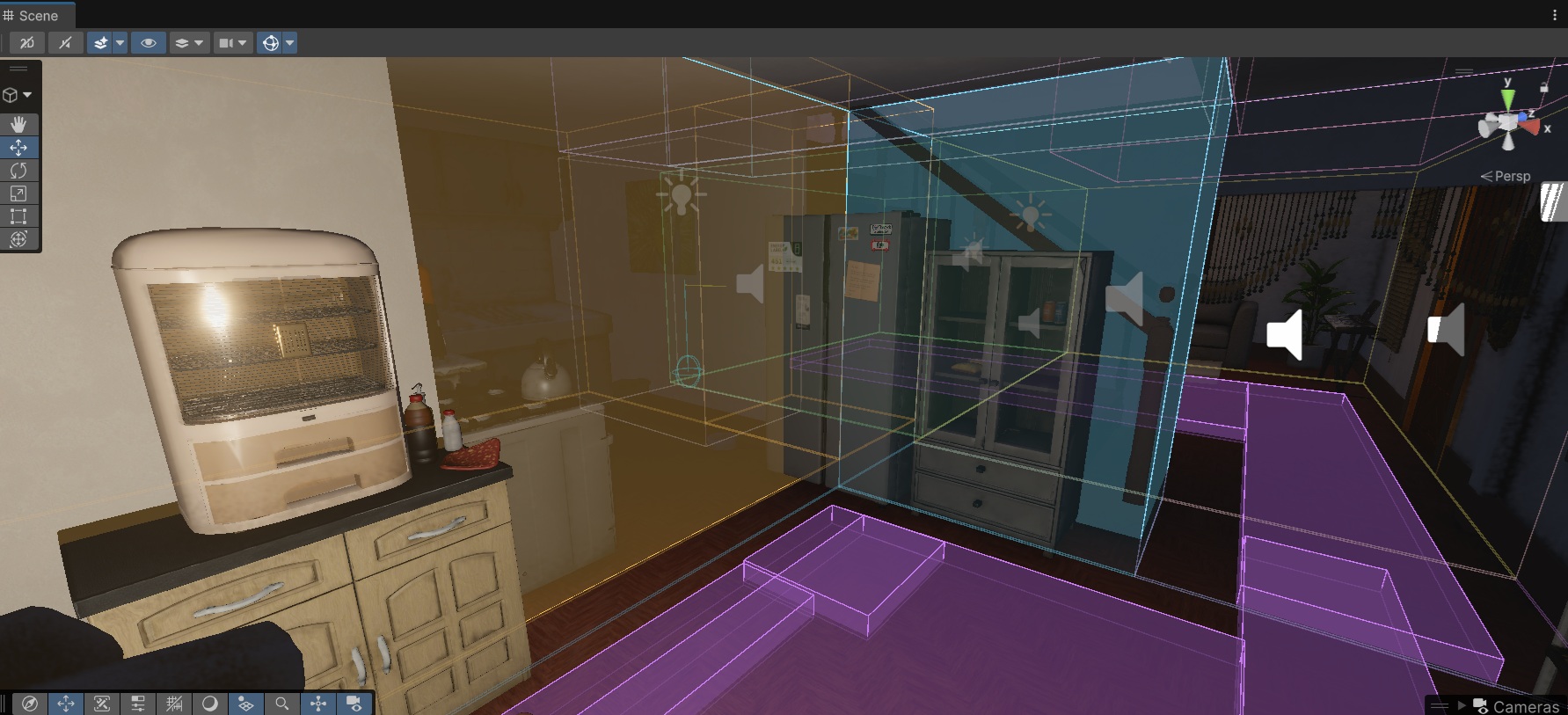
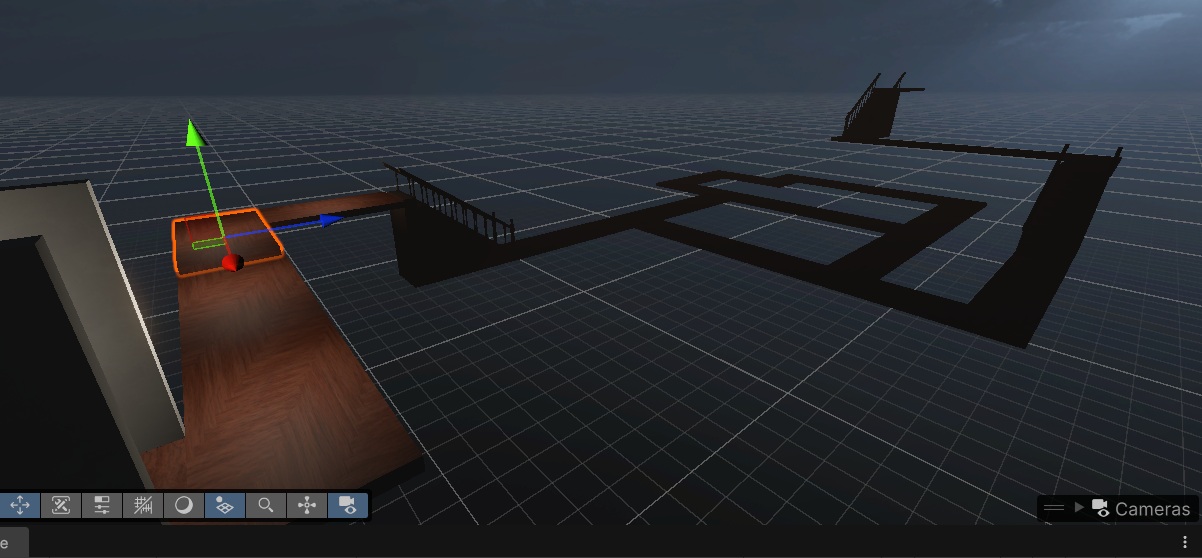
Jero started building The House in March 2026 and released it in October, so about seven months from start to Steam. It’s a relatively short game, built in Unity, the engine he first learned through those Udemy classes.
The hardest part of going solo? Learning new skills on the fly, especially 3D animation. Making movements and interactions feel natural takes a ton of work. Storytelling was the other big challenge, which he compares to writing a book: you have to figure out how everything unfolds and connects.
How AI bought him time for the fun parts
At PGN, we’re all for devs using AI as a productivity tool, especially solo devs who wear every hat. Jero’s workflow is a good example of that done right.
He uses AI to automate the repetitive, technical side of development: project backups, Git commits and pushes to GitHub, uploading builds to Steam, and troubleshooting bugs. His Steam page also notes that AI tools helped with some visual props, which he reviewed, edited and integrated himself.
He can’t put an exact number on the time saved, but he says it was significant. More importantly, it freed him to focus on what he enjoys most: building 3D environments, designing puzzles and telling stories. Para sa solo dev na may full-time job, malaking bagay ‘yan.
Next stop: LRT-2
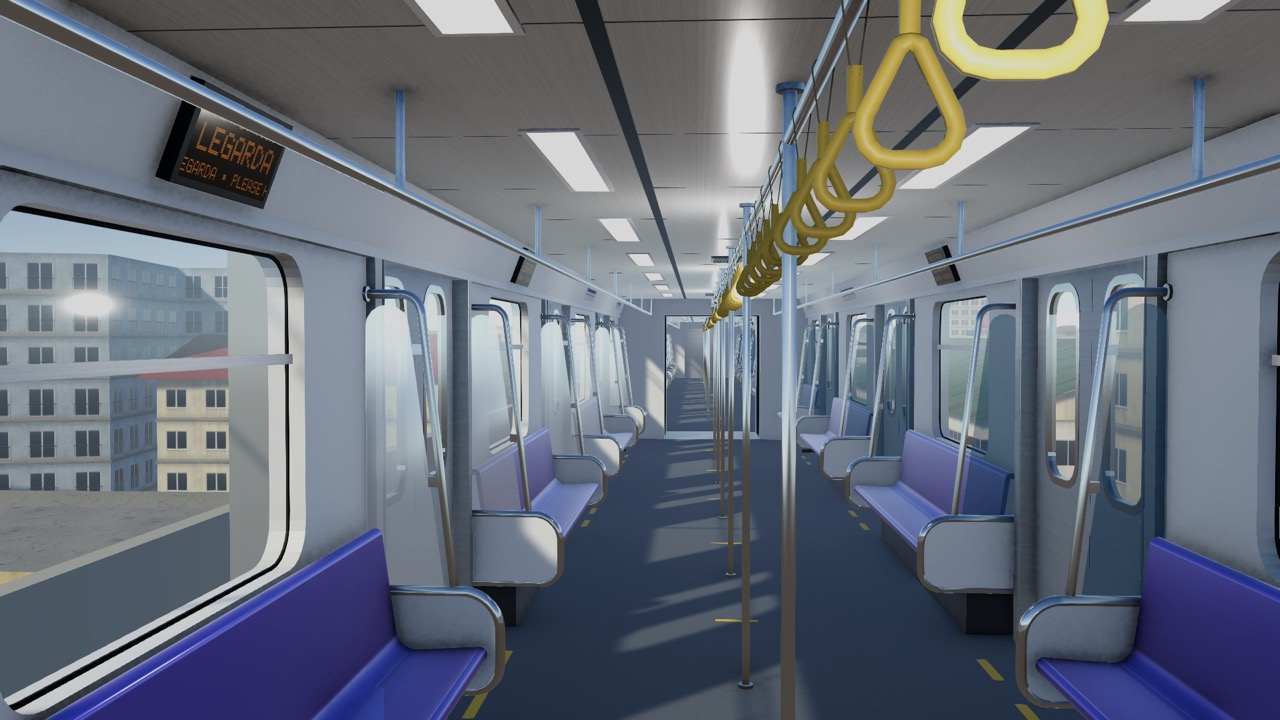
Jero’s second game is LRT-2, a first-person atmospheric railway experience inspired by Manila’s LRT Line 2. He’s recreating the train, the stations and the surrounding city, with realism as the goal. If you’ve ever ridden the Purple Line, expect some very familiar views.
The Steam Coming Soon page is live, and an early playable demo is already up on itch.io. The Steam page also lists in-game screenshot and video capture. Note that it’s an unofficial project and isn’t affiliated with the line’s operator.
Here’s the twist: Jero is exploring a daylight horror direction for LRT-2, mixing the everyday commute with something mysterious and unsettling. Nothing is final yet. Pero imagine mo, horror sa tren na sinasakyan mo araw-araw.
Can your laptop run The House?
We asked because a lot of Pinoy gamers play on laptops with integrated graphics. The House uses Unity’s Universal Render Pipeline, which gives it some flexibility. But the game leans heavily on lighting, shadows and atmosphere, so Jero admits lower-end hardware may struggle in some areas.
For reference, Steam lists a GTX 1060 6GB or RX 580 8GB as the minimum. On integrated graphics, Jero suggests starting at the lowest settings and lowering the resolution if needed.
Stuck? Two hints straight from the dev
Jero shared these, spoiler-light:
- The glowing battery: In one section, turn off the lights to spot a flashlight battery that glows in the dark. The hint is in the laptop chat window.
- The Baybayin puzzle: In the night section, arrange the circles on the artwork to match the Baybayin characters on the book’s cover.
What Pinoy indie devs need most
Jero sees a lot of potential in Philippine indie game dev. More Filipinos are telling their own stories through games, and tools like Unity, online courses and AI are making development more accessible.
What’s missing is visibility. A solo dev with no marketing budget can spend months on a game and still struggle to get it discovered. He says local gaming communities, content creators and media can make a huge difference just by featuring indie games and sharing their stories. He’d also like government to offer more accessible training, workshops and events where local devs can show their work.
Since he’s still new to the local scene, he hasn’t connected with dev groups or events yet. If you run one, alam mo na kung sino ang iimbitahan.
His advice: just start
For Filipinos who want to make games, Jero keeps it simple. You don’t need to know everything before you begin. Build your skills as you go, keep learning, and accept that mistakes are part of the process. That’s exactly how he went from Udemy lessons to a game on Steam. Kaya mo rin ‘yan.
The House is out now on Steam for US$3.99 on Windows. LRT-2 has a free demo on itch.io and a Steam page you can wishlist.
Missed our first story? Read our news article on The House here.
Pinoy Gaming Network is an independent site, and we feature indie games like this at no cost. If you enjoyed this story, you can buy us a coffee. Salamat, mga ka-PGN!


