 Pinoy Gaming Network Where Pinoy Gamers Unite!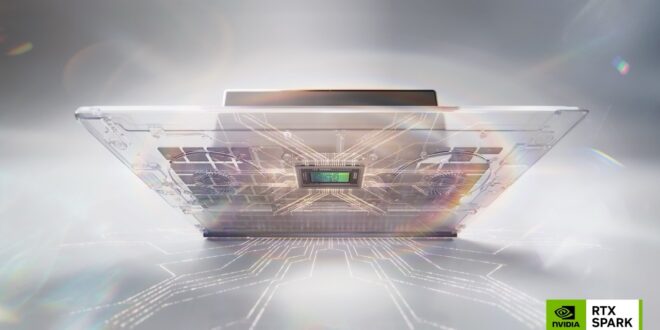

For years, NVIDIA has been one of the biggest names in gaming hardware. Whether you’re building a new gaming PC, upgrading your graphics card, or watching benchmark videos before a major purchase, chances are you’ve encountered NVIDIA somewhere along the way. The company’s GeForce RTX lineup has become almost synonymous with PC gaming performance, helping power everything from esports titles to the latest AAA releases.
That’s why its latest announcement at Computex 2026 is generating so much attention.
Instead of unveiling another graphics card, NVIDIA introduced RTX Spark, a new processor platform that combines CPU, GPU, and AI processing into a single package. It’s a major shift in direction for a company that has traditionally focused on graphics, and it signals something much bigger than a typical hardware launch.
In simple terms, NVIDIA no longer wants to power just your graphics card—it wants to power your entire laptop.
More Than Just Another Processor
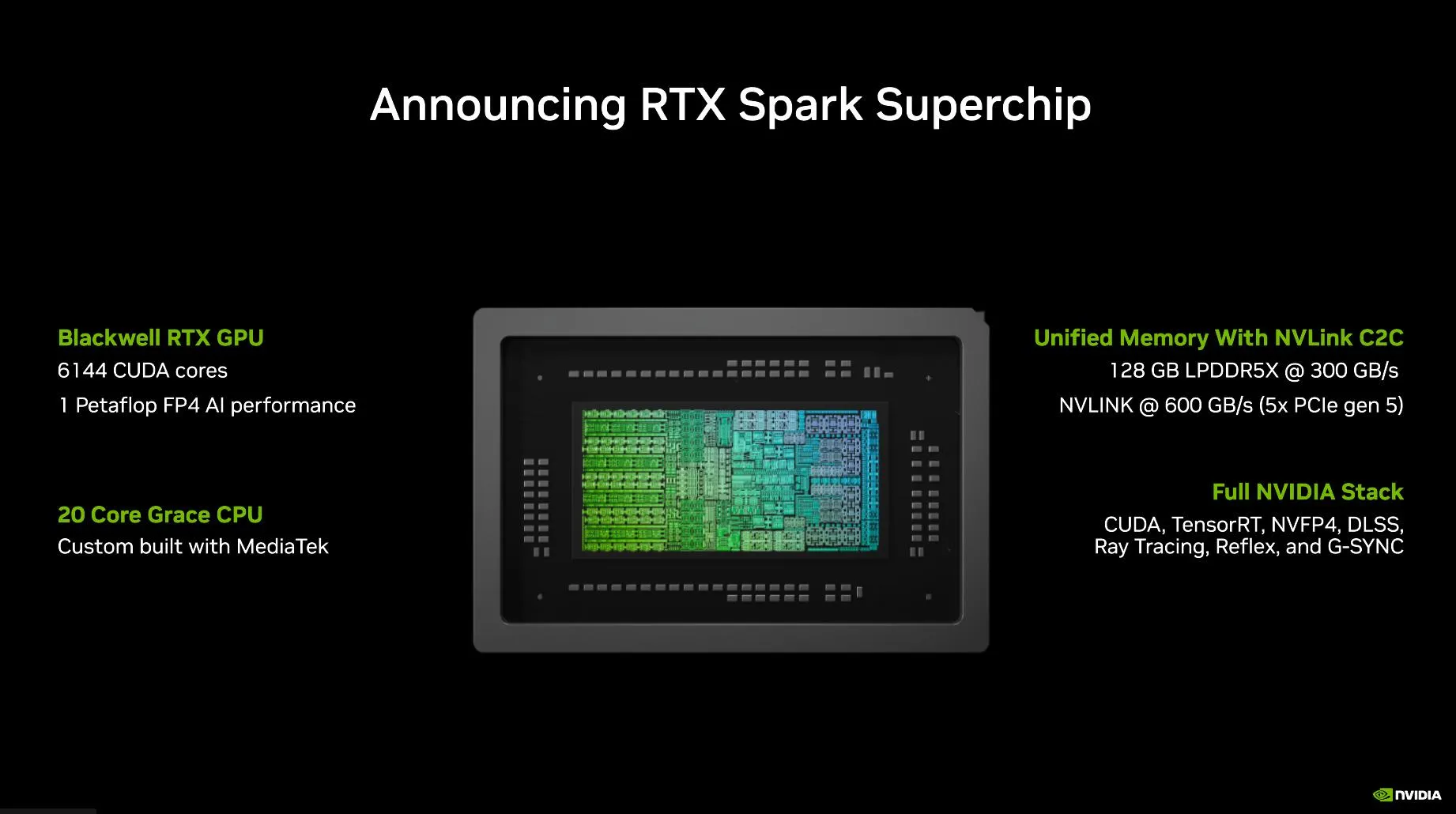
The easiest way to understand RTX Spark is to think of it as NVIDIA’s answer to a growing trend in modern computing. Rather than relying on separate components to handle processing, graphics, and AI tasks, companies are increasingly trying to combine those functions into a single, highly efficient chip.
Apple has already seen tremendous success with this approach through its Apple Silicon lineup, while Qualcomm has been pushing Windows-on-Arm devices with its Snapdragon X processors. Now NVIDIA wants to join that conversation—and perhaps become one of its biggest players.
Of course, most gamers don’t spend their free time thinking about processor architecture. What matters is how these technologies affect the actual gaming experience. Sa madaling salita, hindi importante kung gaano kaganda ang technical diagram ng chip kung wala namang pakinabang sa totoong gameplay.
That’s where RTX Spark becomes interesting.
Why Gamers Should Pay Attention

One of the biggest challenges facing gaming laptops today is balancing performance and efficiency. We all want powerful hardware capable of running demanding games, but we also want devices that don’t overheat, drain their batteries within a few hours, or require carrying a charger everywhere.
RTX Spark is designed around the idea that performance and efficiency shouldn’t have to be mutually exclusive.
If NVIDIA delivers on its promises, future gaming laptops could offer better battery life, lower power consumption, and improved thermal performance while still maintaining strong gaming capabilities. For many gamers, that’s arguably more exciting than another small bump in frame rates.
After all, anyone who has owned a gaming laptop knows the struggle. Ang daming gaming laptops na sobrang lakas sa benchmarks pero parang heater naman pagkatapos ng ilang oras na paglalaro. If RTX Spark can help address that problem, it immediately becomes relevant to everyday gamers.
There’s also another possibility worth considering: handheld gaming PCs.
Devices like the Steam Deck, ROG Ally, and Legion Go have proven that portable PC gaming is no longer a niche market. However, battery life remains one of the category’s biggest limitations. A more efficient platform from NVIDIA could potentially help future handheld devices deliver longer gaming sessions without sacrificing performance.
For gamers who want their entire Steam library in a portable form factor, that’s an exciting prospect.
The Biggest Question Mark: Gaming Compatibility

As promising as RTX Spark sounds, there is one challenge that NVIDIA cannot afford to ignore.
Gaming compatibility.
RTX Spark is based on Arm technology, which differs from the traditional x86 processors used by Intel and AMD. While Arm-based systems have made significant progress in recent years, PC gaming on Windows-on-Arm remains a work in progress.
Some games run perfectly well.
Others rely on translation layers.
Some multiplayer titles still face compatibility concerns, particularly when anti-cheat systems are involved.
This means RTX Spark’s success won’t depend solely on raw performance. NVIDIA also needs developers, software vendors, and platform partners to fully support the ecosystem.
At the end of the day, gamers care about one simple question: “Will my games work?” Kahit gaano kalakas ang hardware sa papel, mahihirapan itong makakuha ng traction kung may mga popular titles na hindi gumagana nang maayos.
That’s the hurdle every Windows-on-Arm platform has faced so far—and RTX Spark will be no exception.
NVIDIA’s Real Target Might Not Be Apple
A lot of early discussion around RTX Spark has focused on comparisons with Apple’s M-series chips, and that’s understandable. Both platforms share a similar philosophy of combining multiple computing functions into a highly integrated design.
But Apple’s biggest strength is also what makes it a difficult target: its ecosystem.
Most MacBook users are already deeply invested in Apple’s products and services. Convincing them to switch isn’t easy.
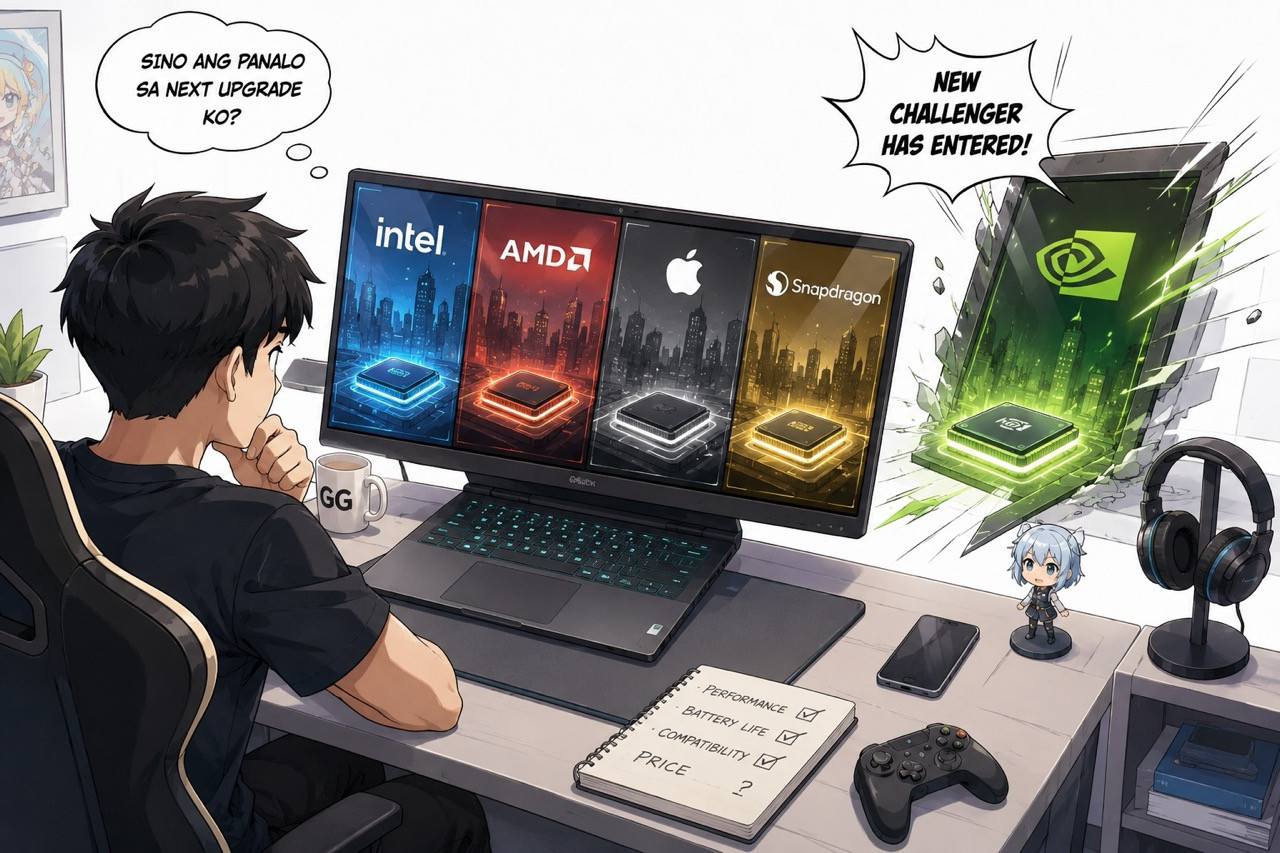
The more interesting battle is happening on the Windows side of the market, where Intel, AMD, and Qualcomm are already competing aggressively for the future of AI PCs and next-generation laptops.
This is where NVIDIA enters the picture.
Unlike many newcomers, NVIDIA already has a strong relationship with gamers. Millions of players use GeForce graphics cards, rely on technologies such as DLSS, and associate the brand with gaming performance. Hindi na nila kailangang ipakilala ang sarili nila sa gaming community. The trust is already there.
The challenge now is proving that the company can build a complete computing platform rather than just a great graphics solution.
The Next Laptop War Has Begun
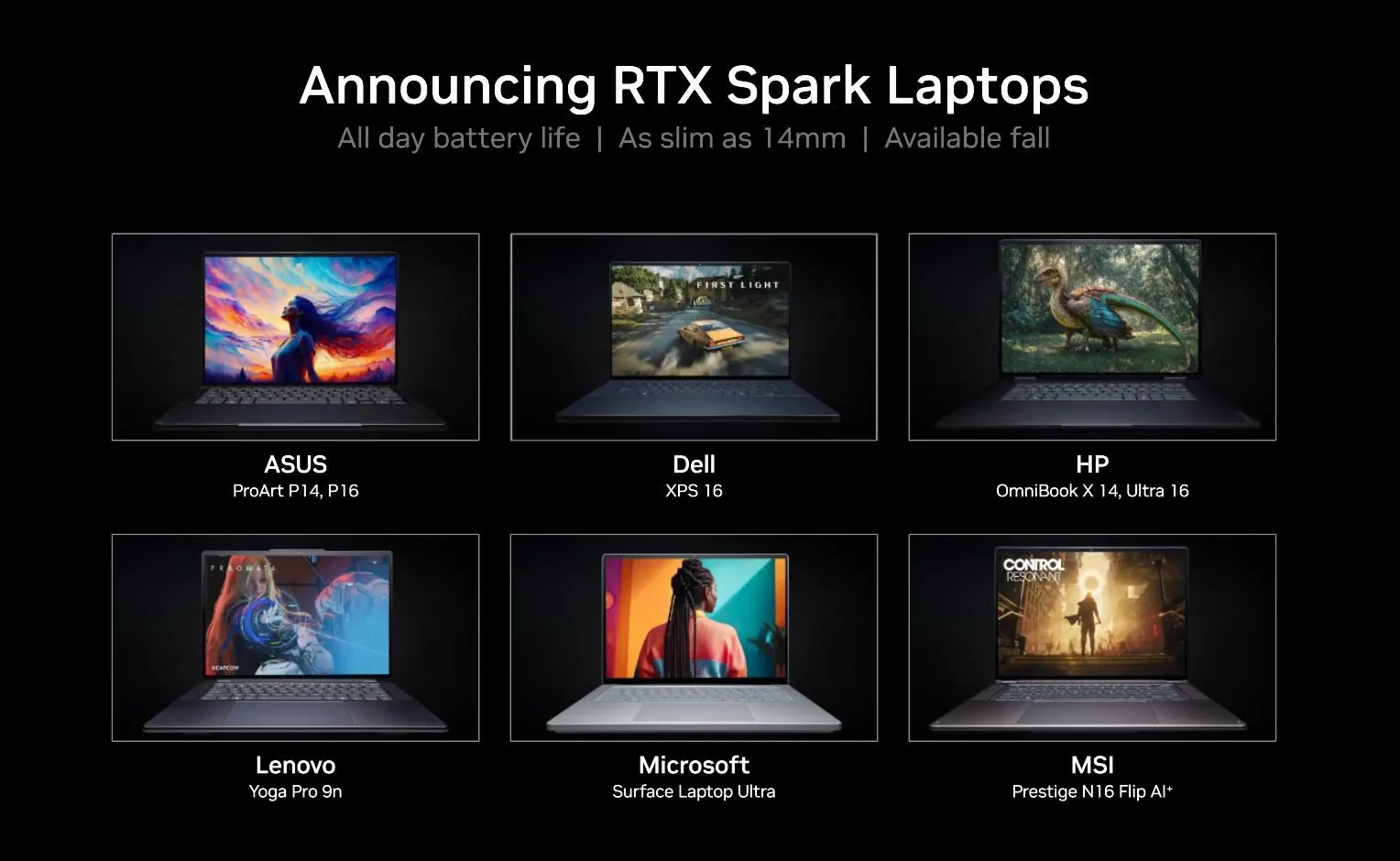
It’s still too early to declare RTX Spark a winner. Hardware announcements are one thing; real-world performance is another. We’ll need actual products, independent benchmarks, and long-term testing before we can determine whether NVIDIA’s ambitious vision lives up to expectations.
Still, one thing is already clear.
The company that once focused almost exclusively on graphics is expanding into a much larger battlefield. CPUs, AI acceleration, laptop platforms, and potentially even future handheld gaming devices are now part of NVIDIA’s strategy.
For gamers, that’s ultimately good news. More competition usually leads to faster innovation, better products, and more choices in the market.
Whether RTX Spark becomes the next big thing or simply the first step in a longer journey remains to be seen. Pero isang bagay ang sigurado: NVIDIA is no longer content with powering just your graphics card.
It wants to power your entire gaming experience.
What do you think, mga ka-PGN? Would you consider buying a gaming laptop powered by NVIDIA’s RTX Spark, or are you sticking with Intel and AMD for now? Let us know in the comments.


